Lively investing (aka energetic management) is an investing technique typically used by hands-on, experienced buyers who commerce frequently. Index funds, similar to passive ETFs or passively managed mutual funds, are generally reasonably priced investment vehicles with decrease administration charges and decreased buying and selling exercise than most lively funds. They incur fewer trading prices and taxable occasions, and the administration charges normally reflect how they don’t require practically as much upkeep or research as energetic funds do. Also, among passive ETFs, there’s lots of variation by method of what indexes they track. Some are broad-based, like people who track the S&P 500 or Russell 3000, while others are slim, like only making use of to a particular sector.
Active Vs Passive Investing Returns: Which Performs Better?
An energetic fund may take on extra risk for potentially larger rewards, like allocating a excessive proportion to a specific inventory that’s quickly rising. It requires the investor to handle the investment proactively by acting as a portfolio supervisor. The major goal of active investing is to beat the typical returns of index investing by profiting from short-term fluctuations in share costs.
- Money markets are one other space where energetic managers perform particularly nicely, especially as the present crop of passive funds aren’t too hard to beat.
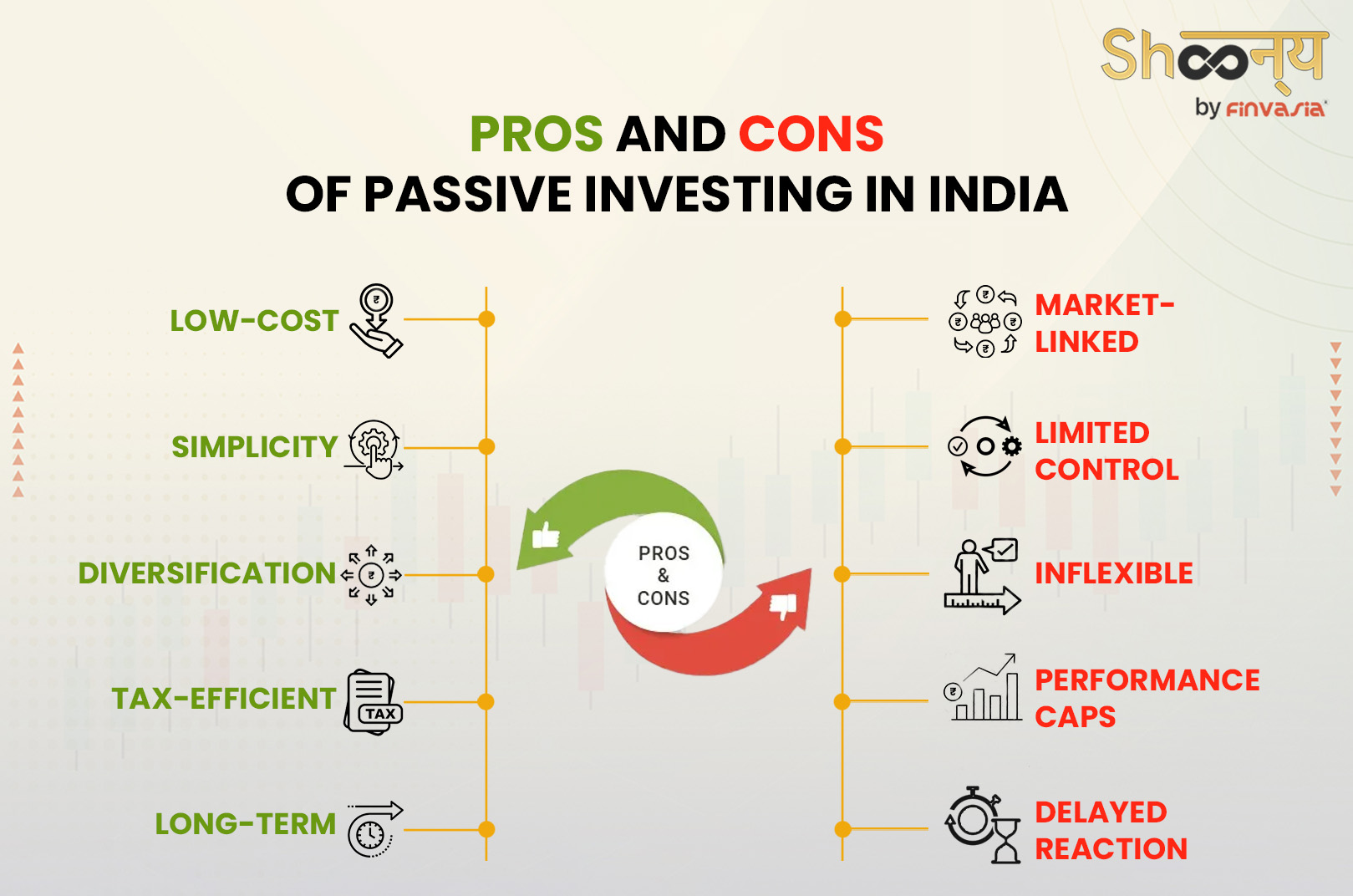
- As a product of diversification and the buy-and-hold, long-term method that typically comes with passive investing, this strategy is commonly lower threat than active investing.
- They incur fewer trading costs and taxable occasions, and the administration charges normally mirror how they don’t require almost as much upkeep or research as active funds do.
- The worth of investments will fluctuate, which is ready to trigger prices to fall in addition to rise and you could not get back the original quantity you invested.
- The global- and foreign-stock categories have been a bit kinder to energetic managers than US market segments.
- Whereas lively investing can lead to impressive returns, it requires significant time, effort, and talent.
Buying And Selling Platforms
Many individuals believe that passive investing for novices is healthier because you’re typically getting diversified publicity, with decrease threat and lower prices than comparable active Financial instrument funds. Some buyers interact in lively investing to attempt to take benefit of market alternatives. For instance, during a market downturn, you may swap from mostly stocks to bonds and then attempt to change again if you think circumstances will reverse. That mentioned, precisely timing the market may be extremely difficult, even for knowledgeable traders. In a market downturn, for instance, an lively fund supervisor may retreat to lower-risk assets, while a passive fund would not adapt.
Wealth Plan
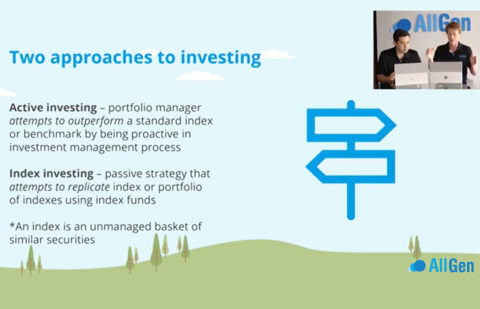
Even skilled fund managers wrestle to consistently exceed market returns. They put cash into passively managed funds that symbolize the make-up of the inventory market or a subset of it. As a result, the performance of a passively managed portfolio is kind of equivalent to the efficiency of the market. The holdings of passively managed mutual funds mirror an index, such as the S&P 500 Index, MSCI International pros and cons of active investing Index or Bloomberg Barclays U.S. Combination Bond Index. Passively managed funds seek to generate returns equal to the index the fund mirrors. The consideration of danger and return between lively and passive can differ a lot based on the fund, however to generalize, active has a better risk/return profile than passive sometimes.
For every investor who “wins” and outperforms the market average, there must be an investor who “loses” and performs below the average. Morgan Stanley Smith Barney LLC, its affiliates and Morgan Stanley Financial Advisors don’t provide authorized or tax recommendation. The indices chosen by Morgan Stanley Wealth Administration to measure efficiency are consultant of broad asset lessons. Morgan Stanley Wealth Administration retains the best to vary representative indices at any time. Morgan advisor can help you perceive the benefits and downsides of every one.
Insurance Coverage products are made available through Chase Insurance Coverage Company, Inc. (CIA), a licensed insurance coverage agency, doing enterprise as Chase Insurance Coverage Agency Companies, Inc. in Florida. Certain custody and different providers are provided by JPMorgan Chase Bank, N.A. JPMS, CIA and JPMCB are affiliated companies underneath the widespread management of JPMorgan Chase & Co. Morgan Securities LLC (JPMS), a registered broker-dealer and funding adviser, member FINRA and SIPC. “Active investing creates extra taxable occasions (e.g., capital gains) for buyers, which implies they may pay extra in taxes alongside the greatest way,” says Weiss.
“Chase Private Client” is the brand name for a banking and funding product and repair providing, requiring a Chase Personal Consumer Checking℠ account. Divide a fund’s energetic share or tracking error by its expense ratio and examine it to a customized benchmark or peer group. In Europe, eurozone equities were among the top beneficiaries of the reallocation of geographical exposure away from US greenback assets after volatility within the Usa market.
When evaluating active managers, our researchers think about factors such as the folks managing the portfolio, their process, and whether the parent firm aligns its interests with investors. Throughout the three fixed-income categories https://www.xcritical.com/ included within the study, success charges plummeted 31 proportion factors to 31% for the 12 months via June 2025. Energetic intermediate-core bond managers led the cohort with a 52% success price, while active corporate-bond managers noticed a paltry 4% success rate.
In Contrast To lively buyers, these using a passive vs. lively investing technique don’t choose individual shares or make frequent trades. As An Alternative, they buy and maintain belongings for years, even a long time, permitting compound progress to work in their favor. This strategy is in style because it minimizes charges, reduces threat, and removes the stress of portfolio management. Lively traders may select individual stocks or bonds, continuously adjusting their portfolios to maximize returns.
In common, passive investing is taken into account lower risk, however generally the flexibleness means that active funds carry lower risk than passive index funds, such as in the occasion that they engage in substantial hedging. Our researchers used Morningstar’s complete fund knowledge to calculate a category’s success rate, or the share of energetic funds that survived and outperformed a composite of passive funds over time. Somewhat than relying solely on active vs. passive investing returns, regularly evaluation how each strategy contributes to your targets. Shift allocations when market circumstances favor one approach over the other. Whereas active investing can lead to impressive returns, it requires vital time, effort, and skill.